
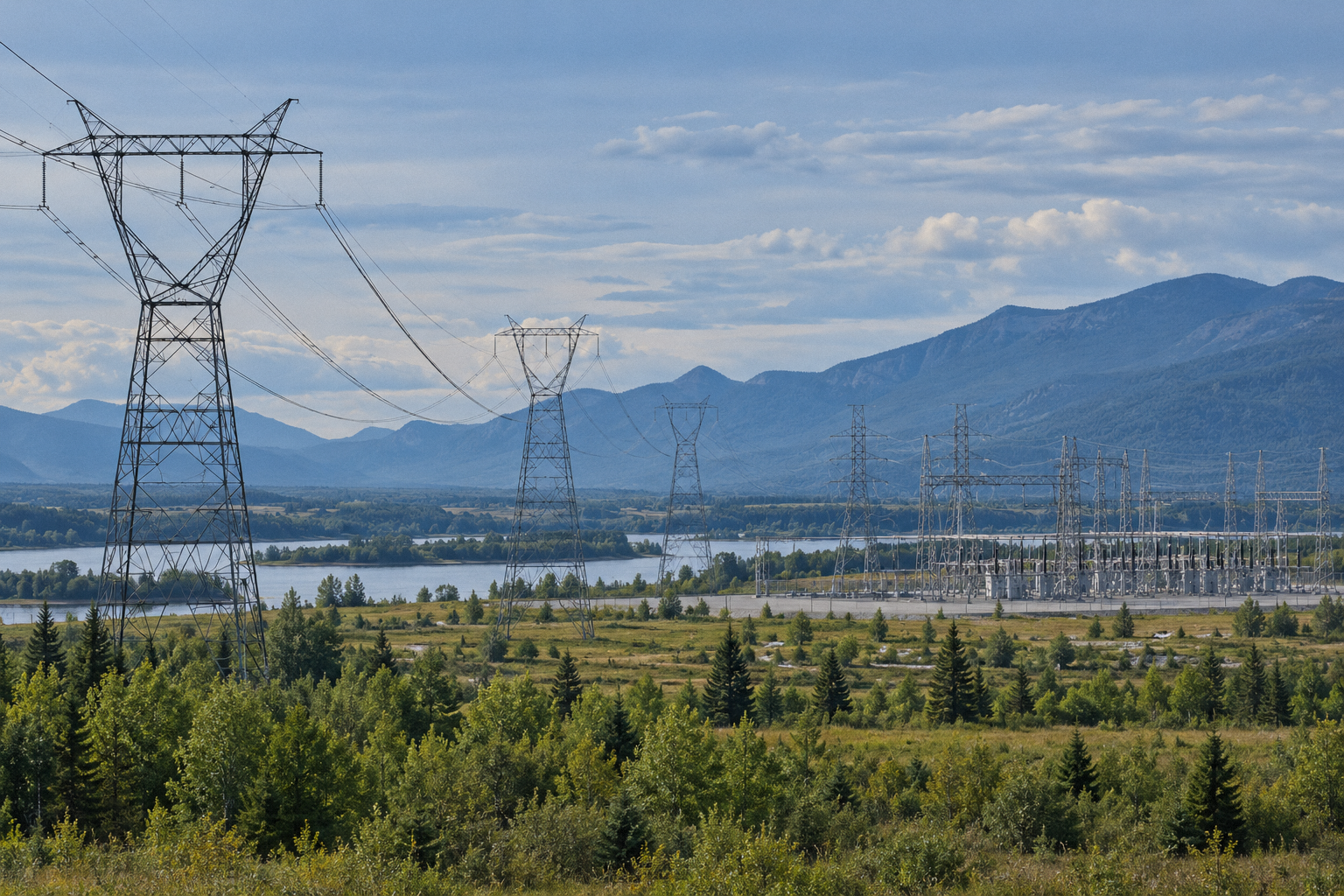
An electrical fault is an abnormal condition that disrupts the intended operation of a power system. Faults can occur in transmission or distribution circuits and in equipment. Their effects depend on the fault and the network; they can include abnormal current or voltage, equipment damage and interruption of supply.
What kinds of short-circuit faults occur?
In a three-phase system, a short circuit can involve different combinations of conductors and earth. The NIMI power-distribution training text identifies several examples:
- Single line to ground: one phase is involved in a fault to earth.
- Line to line: a fault occurs between two phases.
- Double line to ground: two phases and earth are involved.
- Three-phase: all three phases are involved.
The first three are examples of unbalanced faults. A balanced three-phase fault affects the phases symmetrically. The actual currents and voltages depend on the system and the fault; a category alone does not determine their values.
Why does the type of fault matter?
Different fault conditions affect a network in different ways. NIMI notes that fault current can heat equipment and conductors. A disturbance can also affect the stability of the power system. The consequences depend on the equipment, the fault and how the system responds; the fault name alone does not establish the amount of damage.
What is an open-circuit fault?
A broken transmission conductor is an example of an open-circuit fault: the normal current path is interrupted. It differs from a short circuit, in which an unintended conducting path forms. A break can affect supply and can also present a serious hazard.
Are faults always permanent?
No. A transient fault exists for a limited time, while a permanent fault persists until its cause is addressed. NIMI gives lightning and contact with vegetation as examples associated with transient faults. The description “transient” does not establish that equipment is undamaged or safe.
How does protection respond?
Protective relays receive measurements from instrument transformers and respond to conditions covered by their design and settings. Circuit breakers can interrupt current when called upon by an appropriate protection scheme. NIMI describes a protection current transformer supplying a relay that can initiate isolation of an affected part of a circuit. The actual response and extent of an outage depend on the installed scheme and circumstances; protection cannot guarantee that every fault is detected or cleared without damage.
For an overview of measurements, relays and circuit breakers, read Introduction to Power System Protection.
Safety and scope
Damaged or fallen electrical equipment can remain energized or become energized again. Stay away and notify the responsible utility or emergency services as appropriate. Investigating faults, operating equipment and restoring service require qualified personnel and approved procedures. This article is an overview, not a fault-location or switching guide.
Source: NIMI, Electrician (Power Distribution), 2nd Year Trade Theory, PDF pages 67, 181 and 260–261.