
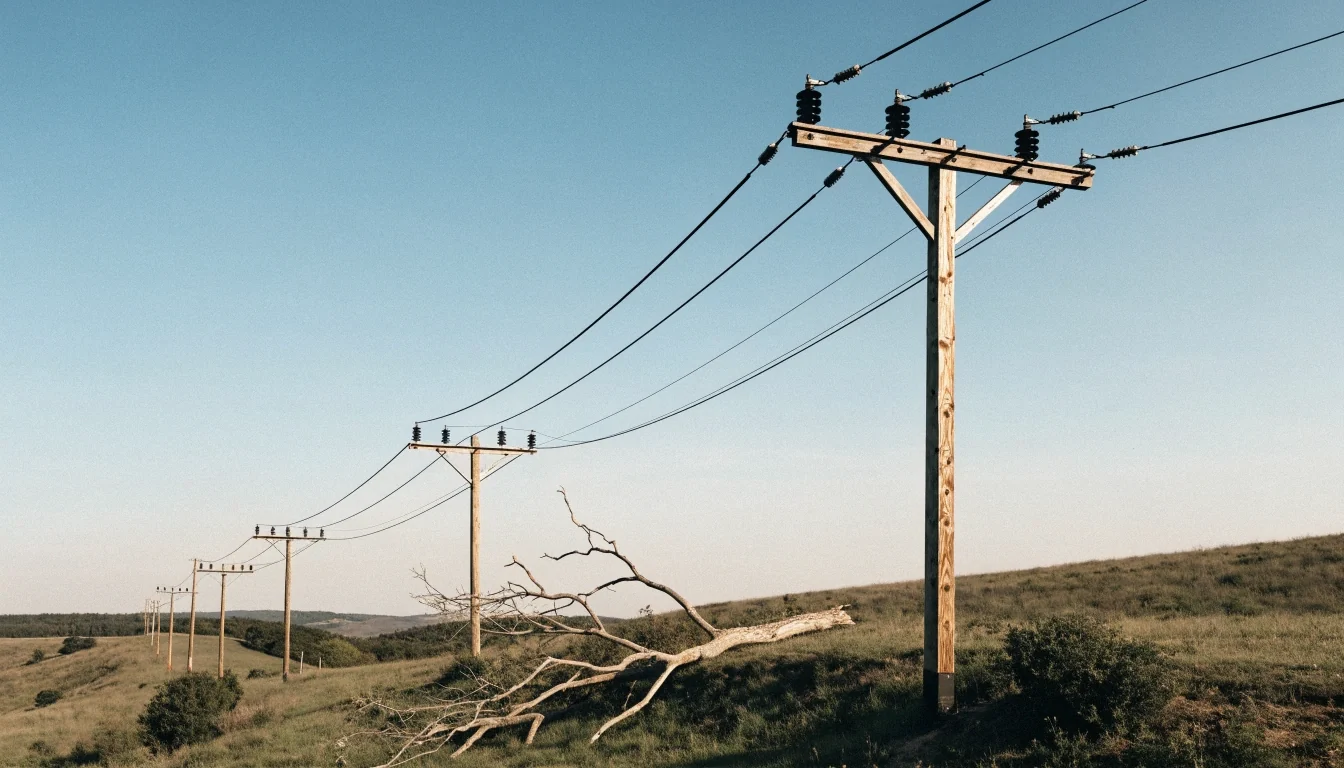
Fault analysis is conducted by DISCOM Engineers for the following purposes
- Locate faults
- Know the cause,
- Determine if protective equipment is operated properly,
- Methods to implement in order to prevent the fault from occurring in the future
Faults are abnormal states of the distribution network, usually associated with open circuits or short circuits or insulation breakdown between two or more points.
Faults can be either temporary or permanent.
Examples of temporary faults include the insulation breakdown by the interaction between the components and external agents (lightning strikes, wind, transient tree contacts, etc.) for a short period of time.
Examples of permanent faults are insulator damage by flashover, underground cable breakdown, and surge arrester damage.
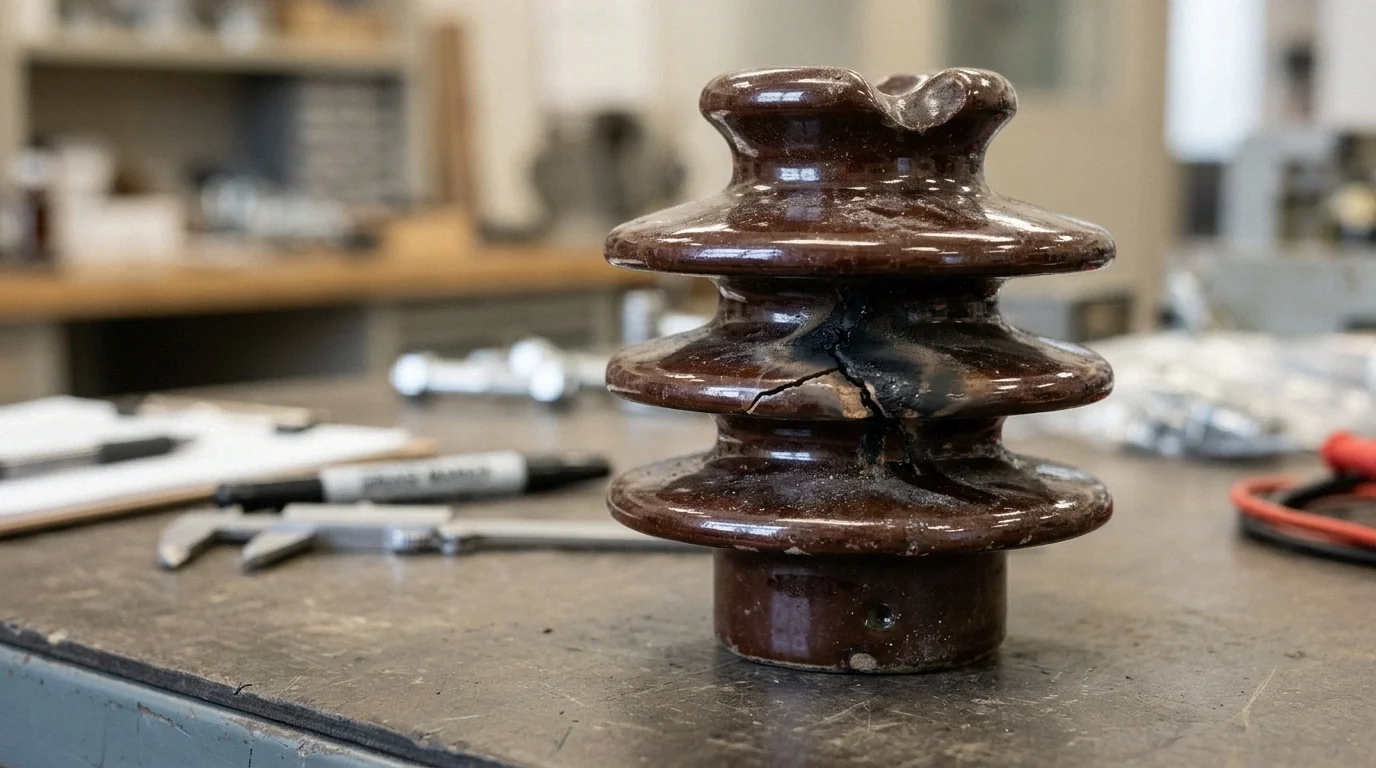
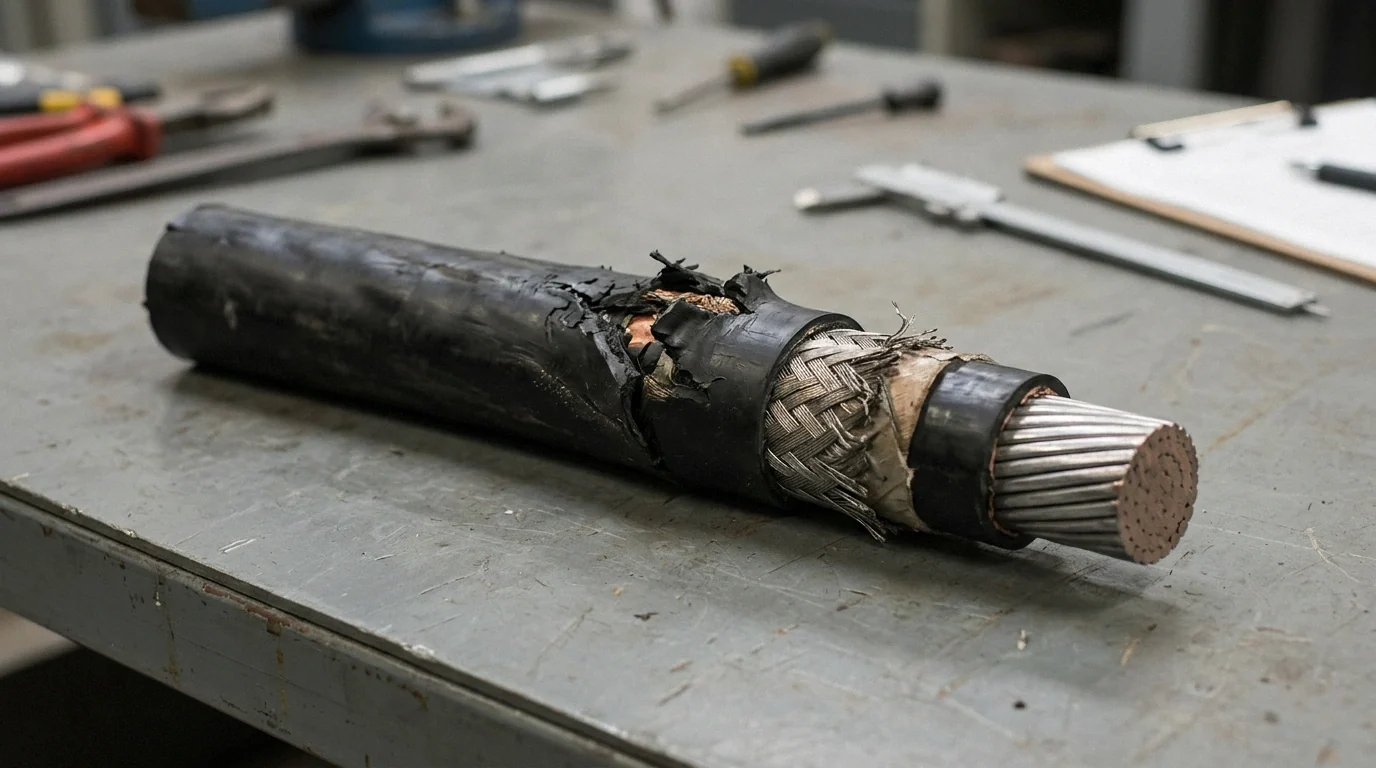
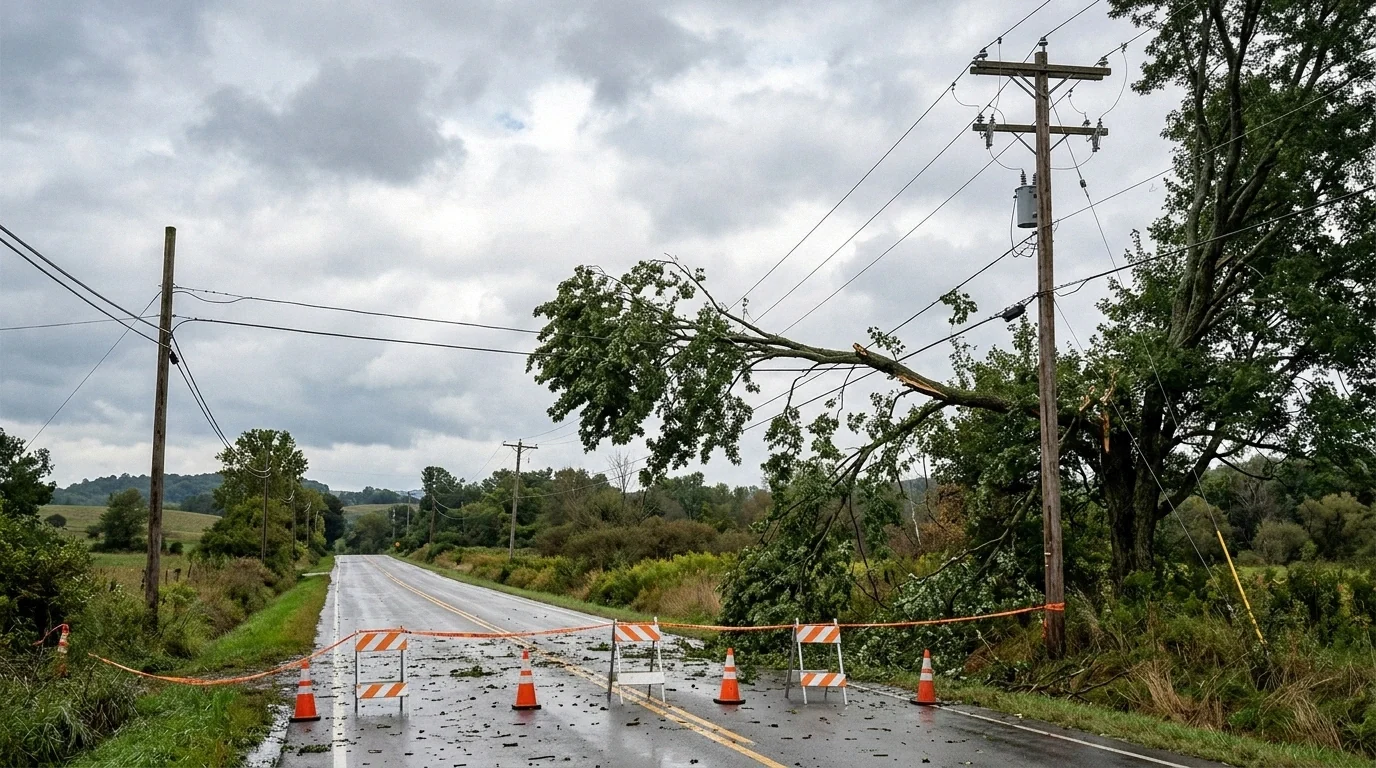
| FAULTS IN OVERHEAD DISTRIBUTION LINE | FAULTS IN UG CABLE | |
|---|---|---|
| OCCURRENCE | Frequent | Rare |
| CAUSES | Extreme Weather Conditions, Tree Branches, Bird Faults, construction, and vehicle, Insulation Puncture, Conductor Snapping | excavator digging, Partial Discharge |
| Fault Rectification | Less time compared to UG Cable | More time |
Effect of Fault
- Danger to Operating Personnel
- Loss of Equipment
- Disturbance in the Interconnected Active Circuits
- Electrical Fire
Protection in Distribution Network
If we are able to disrupt or break the circuit when a fault occurs, it reduces the considerable damage to the equipment and the system.
fault-limiting devices
fuses, circuit breakers and relays
I hope that you got to know about the different types of faults in distribution systems. Thanking you for your valuable time spent on the article.