
Background
This guide introduces the purpose, operation and types of circuit breakers used in electrical systems, including substations.
CIRCUIT BREAKERS
- Circuit breakers play an important role in the design and performance of a power system.
- Circuit breakers contribute to system protection and continuity of supply when selected and coordinated with the protection scheme.
- Selection depends on the system and the duties the breaker must perform.
- High-voltage circuit breakers are switching devices designed for specified normal and fault duties. Their voltage, current and interruption ratings define the conditions for their use.
- Switching operations of:
- Cable branches (Lines).
- Reactors.
- Shunt Capacitor Banks.
- Continuously carry normally rated currents.
Operation working:
Circuit breakers open and close circuits within their specified ratings. The sensing and opening arrangements vary by device and application.
Some low-voltage breakers incorporate overcurrent sensing. In many power-system applications, a separate protective relay detects a condition and sends a trip command to the breaker.
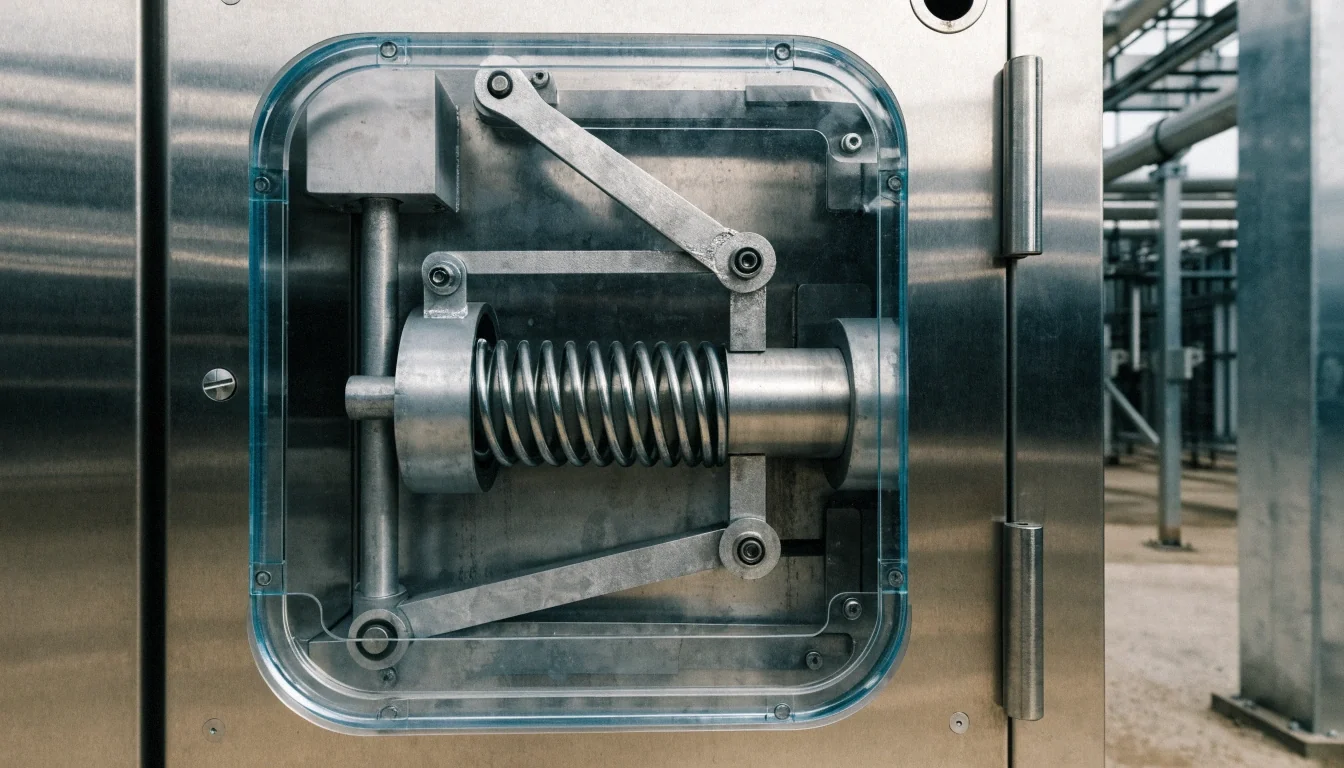
When a trip is initiated, the operating mechanism separates the breaker contacts. Depending on the design, the mechanism can use stored spring energy or another operating medium. Contacts must carry their rated current without excessive heating.
Difference between fuse and breakers:
Both fuses and circuit breakers work for protection in case of fault. The operating time of a fuse or circuit breaker depends on the device and the fault conditions.
A fuse that has operated is replaced; many circuit breakers can be reset after the cause has been addressed and the equipment has been assessed. Depending on their design and rating, both fuses and circuit breakers can protect circuits against overcurrent, including short-circuit faults.
Arc Extinction Medium:
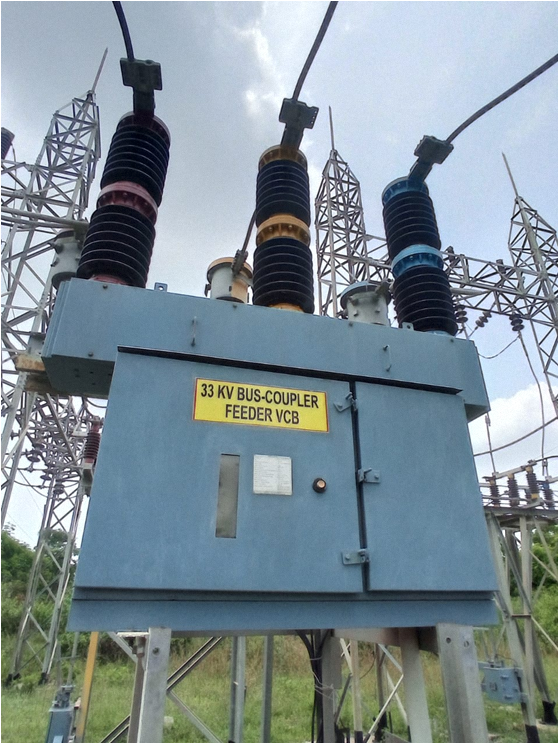
Circuit breakers use different media to interrupt an electric arc, including:
- Oil
- Vacuum
- Air
- SF6(Sulphur hexafluoride) gas
Arc removal methods:
When contacts separate while current flows, an arc can form between them. The interrupter must extinguish the arc and withstand the voltage across its contacts after interruption.
In air circuit breakers, cooling and splitting the arc are among the methods used to help interrupt current.
Alternating current passes through zero during each cycle. Interruption requires the arc to extinguish and the gap to withstand the voltage that follows; the details depend on the breaker design.
Selection takes account of the electrical system, the prospective fault current and the installation conditions.
- AC Current
- DC Current
- Voltage level
- Location of installation
Types of circuit breakers:
Circuit breakers are selected for the system and the current they must interrupt. AC and DC interruption present different conditions.
AC Circuit breakers
AC breaker designs use different interruption media, including air, oil, vacuum and SF6. The voltage class and breaking capability are specified for each device.
DC Circuit breakers:
DC breaker designs include equipment intended for low-voltage circuits and equipment intended for high-voltage DC systems.
The following examples describe several breaker designs.
Oil circuit breakers:
These circuit breakers use oil as an arc extinction medium. They include bulk and minimum oil circuit breakers.
Bulk-oil circuit breakers: Oil provides insulation and helps interrupt the arc in this design.
Minimum-oil circuit breakers: A smaller quantity of oil is used in the interrupter; insulation of the complete assembly depends on its design.
Air circuit breaker:
An air circuit breaker uses air as an arc-interruption medium. Designs and ratings vary by application.
Air Blast Circuit Breaker:
An air-blast circuit breaker uses a blast of compressed air to assist arc interruption. The manufacturer specifies the capabilities and intended application of a particular unit.
Sulphur hexafluoride Circuit Breaker:
These breakers use sulfur hexafluoride (SF6) gas as an interruption medium.
The operating mechanism and gas interrupter are distinct parts of the assembly. Construction, ratings and operating arrangements vary by breaker.
A vacuum circuit breaker uses a vacuum interrupter; an oil circuit breaker uses oil as part of its interruption arrangement.
HVDC circuit breaker:
HVDC circuit breakers are designed to interrupt direct current in high-voltage DC systems. Their ratings and interruption methods depend on the equipment and application.
DC interruption can use different switching technologies, depending on the design.
- Solid-state switching
- Electromechanical
Other breakers:
Other breakers include:
- MCB (Miniature circuit breaker)
- RCCB (Residual current circuit breaker)
- ELCB (Earth Leakage Circuit breaker)
Advantages:
- Overcurrent protection where the breaker incorporates or is paired with the appropriate protection
- Some breakers can be reset after the cause has been addressed, subject to equipment instructions.
- An RCCB detects residual current; it does not by itself provide overload or short-circuit protection. An MCB is intended for overcurrent protection within its rating.
Applications:
- Switching and protection duties depend on the particular device and circuit.
- Protection of equipment such as transformers, capacitors and generators, when coordinated with the appropriate protective devices.
- Switching loads in buildings and industrial facilities within the device ratings.
- Switch circuits during normal operation, within the equipment ratings.
- Interrupt fault current when commanded by the appropriate protection, within the specified breaking capability.
- Sectionalize a bus arrangement according to its design.
Selection and maintenance planning consider the following:
- Standards.
- Electrical ratings and operating duties
- Technical requirements.
- Tests.
- Auxiliary power supply.
Maintenance planning: Inspection and testing help assess the condition of a breaker and its operating mechanism. The equipment owner should document results and use the manufacturer’s instructions and the applicable site procedures to plan the work.
Further reading: ABB SACE Emax 2; Schneider Electric: residual-current protection; Eaton: circuit breaker fundamentals.